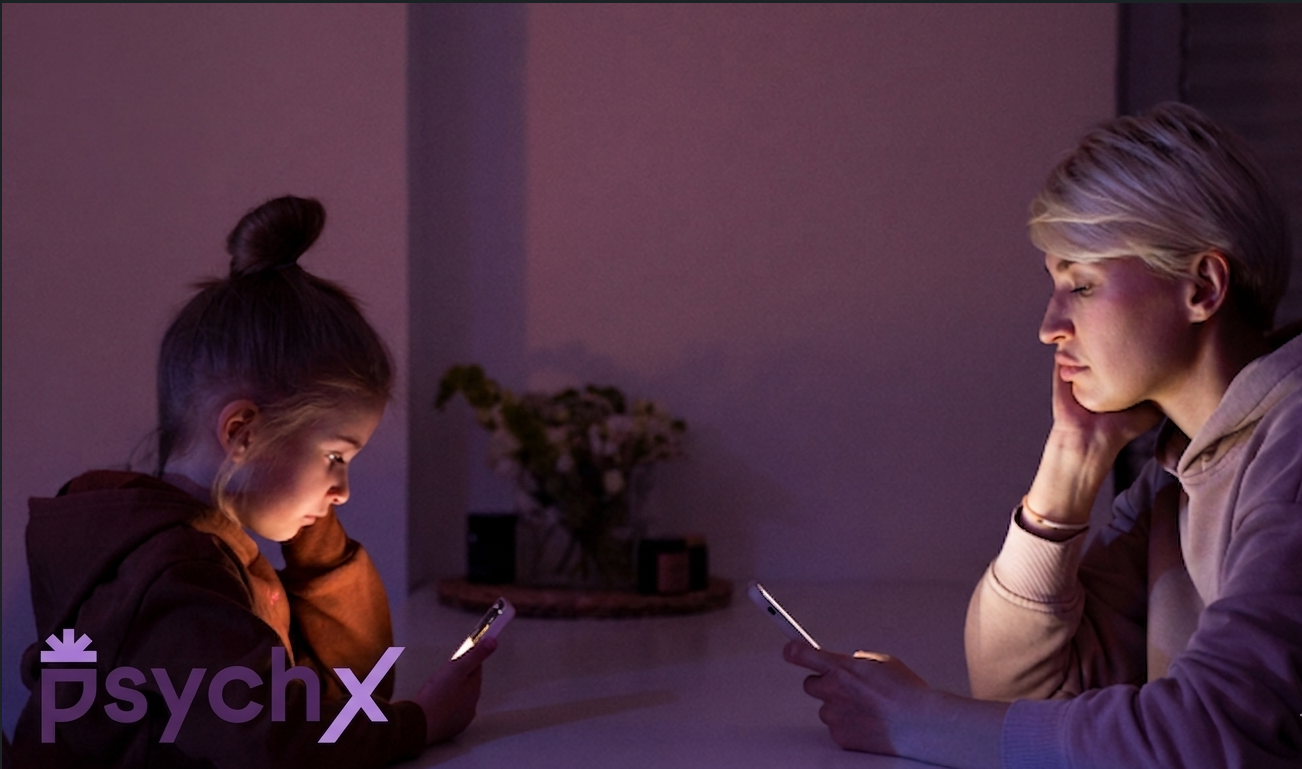
Connected but Alone: A Take on Loneliness in the Digital Age
As a psychologist, I hear a strange paradox every day in my office: “I have 500 online friends, but I feel completely invisible.” We live in the most connected time in human history. You can video call someone on the other side of the planet in seconds. Yet, despite the constant notifications and emojis, clinical loneliness is rising faster than ever. The truth is, scrolling through perfect vacation photos or group chats where you aren’t mentioned doesn’t cure loneliness—it often feeds it.
Why does digital connection feel so empty? The answer lies in the difference between “connection” and “touch.” Your brain is wired for real, messy, face-to-face interaction—the kind where you see a smile, hear a tone of voice, or sit in comfortable silence. Online, we mostly exchange text and curated images. This is a low-nutrient diet for your social hunger. You feel full of information, but you are starving for genuine belonging.
The biggest trap I see is what I call the “Comparison Loop.” On social media, everyone is presenting their highlight reel—the promotion, the party, the perfect relationship. When you are feeling down and see only joy online, your brain automatically concludes: “Everyone is happy except me.” This triggers shame and withdrawal. You scroll more to feel better, but you end up feeling worse and less likely to reach out for real help.
Another hidden danger is “passive consumption.” Liking photos or watching stories keeps you in a spectator role. True intimacy requires risk and vulnerability—admitting you had a bad day, asking for advice, or simply calling a friend to say you miss them. Digital tools are excellent for planning connection, but they are terrible substitutes for it. If you only text, you are maintaining a relationship, not deepening one.
So, how do you fight digital loneliness? Start with a small rule: Use technology to create an invitation, not a replacement. Send a text to arrange a coffee walk. Use a voice note instead of typing a paragraph—hearing a voice releases oxytocin, the bonding chemical. Most importantly, practice “offline bravery.” Put the phone in another room for one hour and simply sit with a family member or call an old friend. The awkwardness lasts 60 seconds; the relief lasts all day.
Remember, loneliness is not a sign that you are unlikeable; it’s a signal from your brain that you need authentic social nutrition. You cannot charge a dead battery with a screenshot of a power outlet. Put the phone down, go be imperfectly present with someone, and watch how quickly the empty room starts to feel like home.
